

What Happens to a Sole Proprietorship When the Owner Dies?
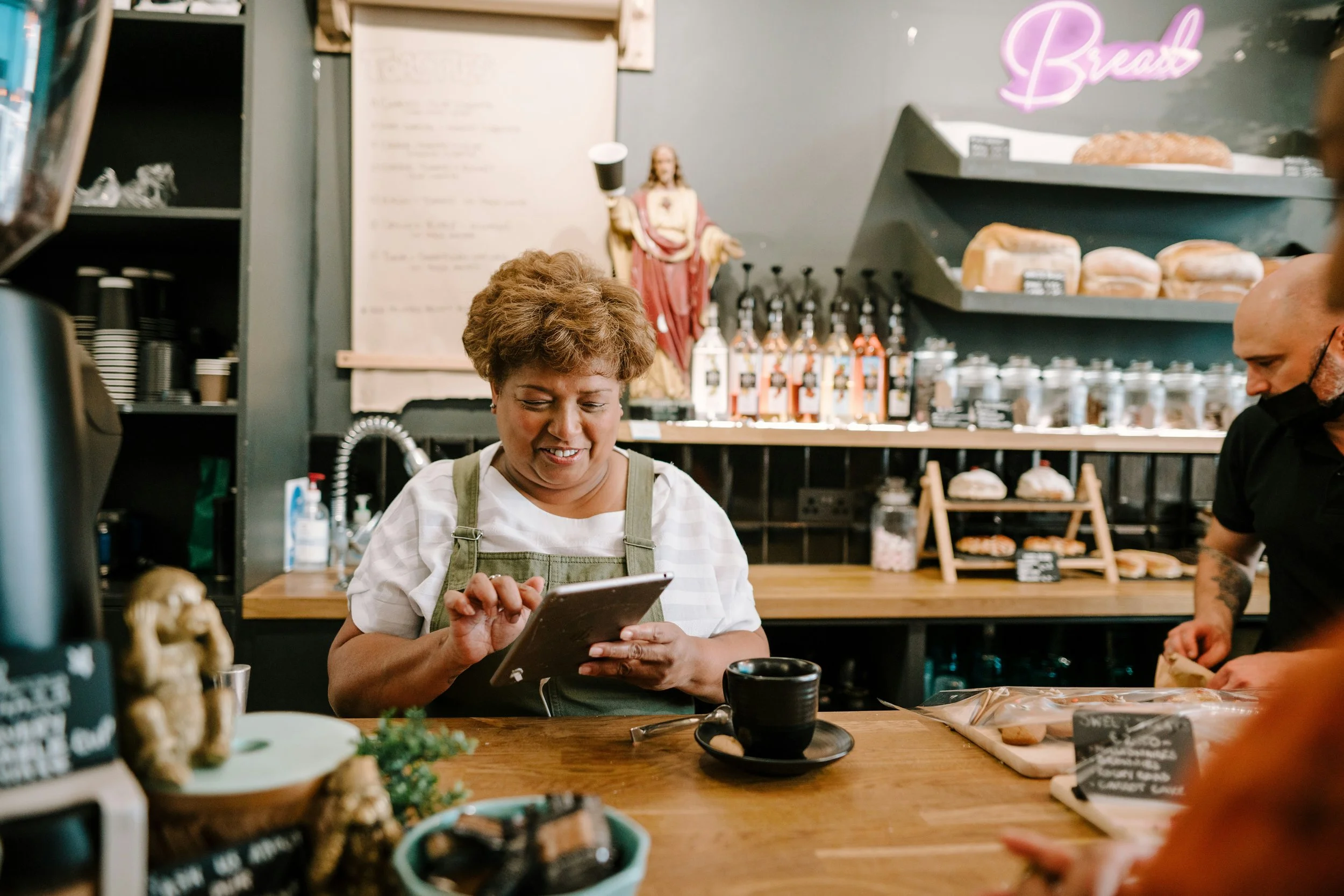
If you own a sole proprietorship in Ontario or anywhere else in Canada, you may have wondered what would happen to your business if you suddenly passed away. More importantly, would your family know what to do?
It's not a pleasant topic to think about, but it's one of the most important conversations a business owner can have.
Every year, families are left trying to navigate not only the loss of a loved one but also the uncertainty of running, closing, or transferring a business they may know very little about.
Clients are waiting for answers, bills continue to arrive, subscriptions renew automatically, and important deadlines don't simply pause because someone has passed away.
The good news is that with some planning, you can make this process much easier for the people you care about.
Key Takeaways
✔ A sole proprietorship does not automatically continue after the owner's death.
✔ Family members may not have immediate authority to manage the business.
✔ Organizing important business information in advance can significantly reduce stress.
✔ A Business Preparedness Plan can help protect your clients, family, and business.
What Is a Sole Proprietorship?
A sole proprietorship is the simplest and most common business structure in Canada. Legally, there is no distinction between the business and the owner. You and your business are considered the same legal entity.
That means you personally own:
your business assets
your equipment
your bank accounts (unless jointly owned)
your client relationships
your contracts
your income and expenses
Unlike a corporation, a sole proprietorship does not continue as a separate legal entity after the owner's death.
Does the Business Automatically Continue?
In most cases, no.
When the owner of a sole proprietorship dies, the business does not automatically continue operating. Whether it can continue temporarily depends on several factors, including:
the nature of the business
whether employees are involved
existing contracts
access to bank accounts
who has legal authority to manage the estate
whether there is a plan already in place
Many day-to-day business activities may stop almost immediately until someone with legal authority can make decisions.
Who Can Make Decisions?
Generally, the authority to deal with the business falls to the estate representative.
If there is a valid Will, the executor (called an Estate Trustee in Ontario) is responsible for administering the estate, including business assets.
If there is no Will, Ontario's intestacy laws determine who may apply to administer the estate through the courts.
Until that legal authority is established, family members often have limited ability to access business accounts, sign contracts, or make important decisions on behalf of the business.
What Happens to the Business?
Every situation is different.
Depending on the circumstances, the business may:
continue operating temporarily while the estate is administered
be sold
be transferred to another individual
be wound down and closed
The best option depends on the business itself, the owner's wishes, legal considerations, and whether anyone is prepared to continue operating it.
What About Clients?
Clients are often one of the first concerns.
If appointments are booked, projects are underway, or products or services have already been paid for, someone needs to determine:
how clients will be notified
whether work can continue
whether refunds are required
how outstanding invoices will be handled
what contractual obligations still exist
Having written procedures and client communication templates prepared in advance can significantly reduce confusion during an already stressful time.
What Happens to Bank Accounts and Money?
Business bank accounts generally become part of the estate.
Depending on how accounts are set up, financial institutions may restrict access until appropriate legal documentation is provided.
At the same time, ongoing obligations don't necessarily stop.
There may still be:
payroll
rent
utilities
loan payments
insurance premiums
software subscriptions
taxes
supplier invoices
Knowing what accounts exist—and where to find that information—can make a significant difference for the people managing your affairs.
Don't Forget Government Obligations
Even after a business owner dies, there may still be obligations to government agencies.
Depending on your situation, this could include:
filing final tax returns
GST/HST obligations
payroll remittances
cancelling business registrations
notifying the Canada Revenue Agency
closing CRA program accounts when appropriate
An accountant can provide valuable guidance during this process, but they'll still need access to accurate business information and records.
Why Planning Ahead Matters
One of the biggest challenges families face isn't the legal process—it's simply not knowing where anything is.
Questions quickly arise, such as:
Where are the passwords?
Who are the clients?
Where are the insurance policies?
Does the business have outstanding loans?
Who is the accountant?
Are there employees?
What subscriptions are still active?
How does the business actually operate?
These are questions that can often be answered before a crisis ever happens.
Simple Steps You Can Take Today
Business preparedness doesn't have to be overwhelming.
Start by:
creating a list of important business accounts
documenting your professional advisors
organizing important legal documents
keeping client information organized and secure
identifying who should be contacted first
discussing your wishes with your family or trusted advisors
Small steps taken today can save countless hours of stress later.
Frequently Asked Questions
Can my spouse automatically run my sole proprietorship?
Not necessarily. Unless your spouse already has legal authority or becomes the Estate Trustee (executor), they may not immediately have the authority to make business decisions or access accounts.
Can employees keep working?
Possibly, but it depends on the circumstances, employment arrangements, and who has authority to manage the business after the owner's death.
Is a Will enough?
A Will is an important part of your estate plan, but it doesn't organize your business. Your family also needs practical information about how your business operates, where records are kept, who your advisors are, and what immediate steps should be taken.
Final Thoughts
None of us likes to think about what would happen if we weren't here tomorrow.
But preparing your business isn't about expecting the worst—it's about making life a little easier for the people who care about you and depend on your business.
Whether you own a small consulting practice, a retail store, a trades business, or another type of sole proprietorship, taking time now to organize your business can provide clarity when it's needed most.
Related Resources
Download the Business Preparedness Checklist & Organizer
Explore the Business Preparedness Resource Directory
Check out Upcoming Business Preparedness Workshops
Disclaimer: This article is provided for educational purposes only and does not constitute legal, accounting, tax, financial, insurance, or other professional advice. Estate administration and business obligations vary depending on individual circumstances and applicable provincial and federal laws. If you are dealing with the death of a business owner, consult the appropriate qualified professionals for advice specific to your situation.
Your Business Executor helps Canadian entrepreneurs prepare their businesses for unexpected life events such as illness, incapacity, or death. Through business continuity planning and business preparedness consulting, business owners can document how their company operates and ensure their family, clients, and advisors know what steps to take if the owner is suddenly unable to run the business.