

Practical Business Preparedness Guidance for Canadian Business Owners and Families
Explore practical articles about business preparedness, business continuity planning, incapacity, estate administration, succession and transition planning, business organization, emergency communication, Powers of Attorney, wills for business owners, and the operational steps families may face when a business owner becomes ill or dies.
The Your Business Executor Knowledge Centre is designed to make complex information easier to understand. Articles provide Canadian-focused guidance, with Ontario-specific information where appropriate, along with clear explanations of when legal, accounting, tax, insurance, financial or healthcare advice may be required.
Whether you are preparing your own business, helping a family member, acting as an estate trustee or attorney under a Power of Attorney, or trying to understand what happens next, these resources will help you find practical information and take the next informed step.

What Happens to a Family Trust When Someone Dies?
What Happens to a Family Trust When Someone Dies?
The words “family trust” can sound reassuring.
The family has planned ahead. A trust exists. Important assets have been organized.
But when someone connected to that trust dies, the people left behind may quickly discover that simply knowing a family trust exists does not tell them what happens next.

What Happens When a Business Is Held in Trust and the Business Owner Dies?
When a business owner dies, one of the first questions the family may ask is:
Who owns the business now?
If a trust is involved, the answer may be less obvious than expected.
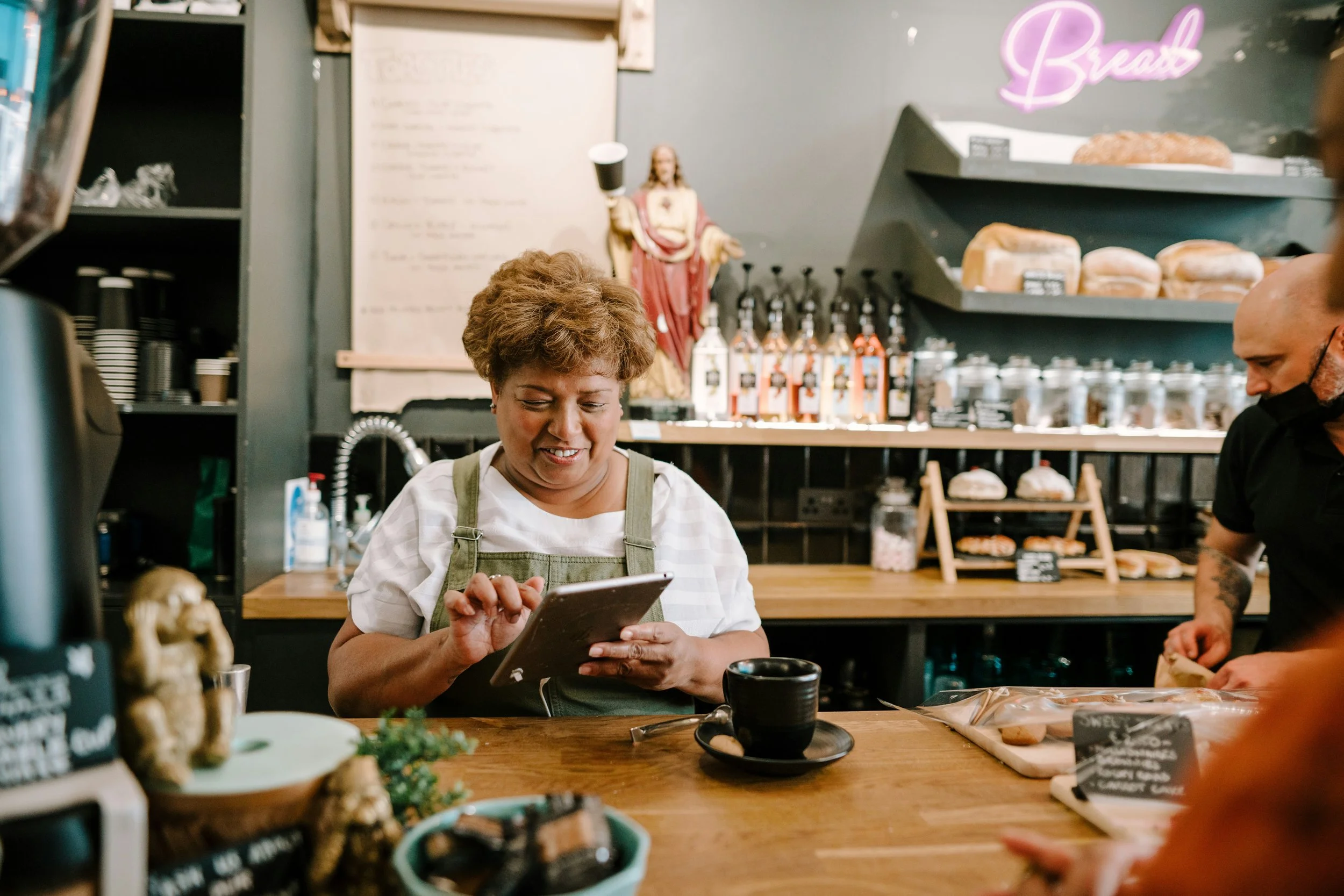
What Happens to a Sole Proprietorship When the Owner Dies?
If you own a sole proprietorship in Ontario or anywhere else in Canada, you may have wondered what would happen to your business if you suddenly passed away.
More importantly, would your family know what to do?

What Happens to Your Business If You Die in Canada?
For many entrepreneurs, their business is their livelihood, identity, and largest asset. But few business owners stop to consider what would happen to their company if they suddenly passed away or became unable to run it.
In Canada, the death of a business owner can trigger legal, tax, and operational challenges for families, clients, employees, and business partners. Without preparation, the people left behind may struggle to understand how the business operates, access important systems, or continue serving clients.
This is why contingency planning and business succession planning are essential parts of responsible business ownership.